
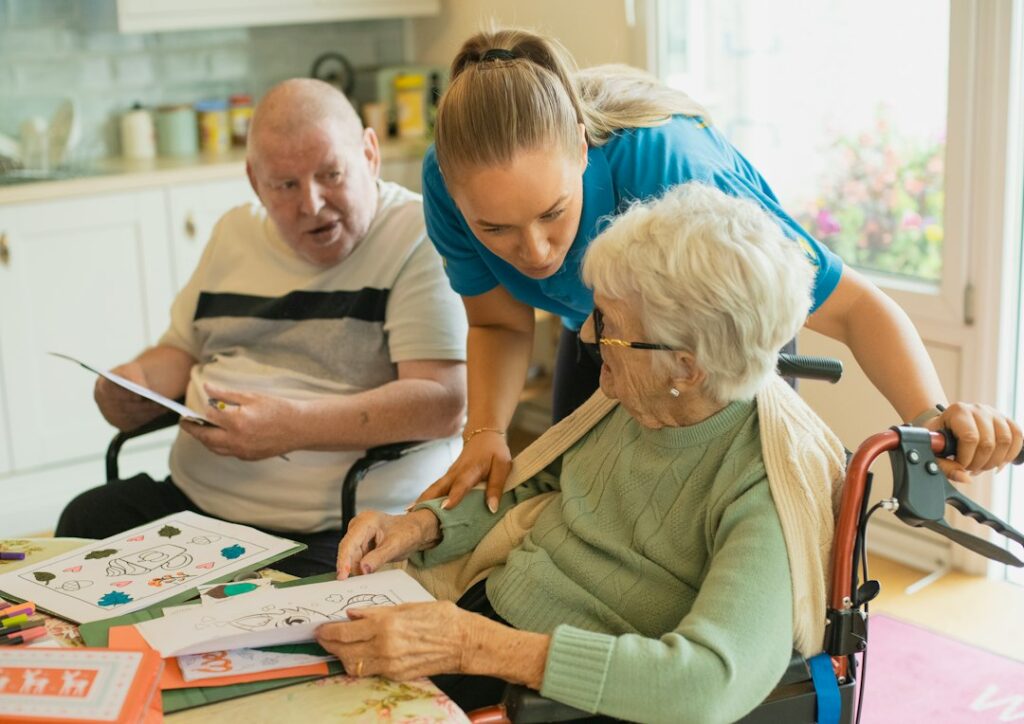
Assisted living residences prepare for natural disasters through written emergency plans, resident-specific care procedures, staff training, backup supplies, communication systems, and arrangements for evacuation or relocation. The goal is not only to protect residents during a storm or other emergency, but also to continue essential care when electricity, water, transportation, medication deliveries, or staffing are disrupted.
For residents and families in Trafford, weather-related planning is especially relevant during winter storms, freezing rain, severe thunderstorms, flooding, high winds, and extended power outages. Older adults and people with mobility, memory, respiratory, or medical needs may face greater risk when ordinary routines are interrupted.
What types of emergencies must assisted living residences plan for?
Assisted living residences generally use an “all-hazards” approach. This means preparing for several possible emergencies rather than creating a plan for only one type of storm.
Plans may address:
- Winter storms, heavy snow, ice, and extreme cold
- Severe thunderstorms, high winds, lightning, and tornadoes
- Flooding or water damage
- Extended electrical outages
- Fire, smoke, or structural damage
- Loss of heat, air conditioning, water, food, communications, or medical supplies
- Transportation disruptions that prevent staff from arriving or residents from reaching medical appointments
Local conditions help shape the plan. In Trafford, a winter event may make roads unsafe for staff, delay deliveries, and create dangerous indoor temperatures if heating equipment loses power. Heavy rain can also affect travel routes and increase the need to monitor drainage, basement areas, and access roads.
How are residents’ individual needs included?
A disaster plan must account for more than the number of people in the building. It must identify what each resident needs to remain safe and receive appropriate care.
Resident-specific planning may include:
- Mobility level and whether the person needs a wheelchair, walker, transfer assistance, or an evacuation chair
- Memory loss, confusion, anxiety, or communication difficulties
- Medication schedules and special storage requirements
- Oxygen, powered medical equipment, or other electricity-dependent devices
- Dietary restrictions, swallowing concerns, or modified-texture meals
- Hearing, vision, language, or cognitive support needs
- Emergency contact information and medical details that must remain confidential
- The level of supervision needed during evacuation, sheltering, or relocation
This information is typically kept in a form that staff can access quickly while still protecting privacy. A person who can walk independently during normal conditions may need hands-on support during a dark, crowded, noisy, or unfamiliar emergency.
What happens during a power outage?
Power loss is treated as a health and safety issue, not merely an inconvenience. Assisted living staff must consider lighting, heating and cooling, elevators, refrigerators, kitchen equipment, communication systems, medication storage, security systems, and medical devices.
Emergency procedures may include:
- Moving residents to areas with safe temperatures and adequate lighting
- Checking residents who depend on powered equipment
- Using backup power for designated systems
- Monitoring refrigerators and medications that require temperature control
- Providing flashlights, batteries, blankets, water, and ready-to-eat food
- Limiting elevator use when safe operation cannot be confirmed
- Establishing manual methods for documenting care if electronic systems fail
- Giving residents regular updates to reduce confusion and anxiety
A generator does not automatically solve every problem. Staff must know what equipment it supports, how long fuel may last, who is responsible for testing it, and what procedures apply if the outage continues.
How much food and water should be available?
Pennsylvania assisted living regulations require residences to maintain at least a three-day supply of nonperishable food and drinking water for residents. Supplies should also account for allergies, diabetes, texture-modified diets, feeding assistance, and other nutritional needs.
Emergency stock may include:
- Drinking water
- Shelf-stable meals and snacks
- Manual can openers
- Disposable serving items
- Infant-style or soft foods when clinically appropriate
- Personal hygiene supplies
- Incontinence products
- Batteries, flashlights, blankets, and basic first-aid materials
The supply must be usable, not simply present. Staff should know where items are stored, how they will be distributed, and how the residence will replenish them after an emergency.
How are medications and medical information protected?
Medication continuity is a major part of disaster planning. A residence may need procedures for protecting medications from heat, cold, water damage, or refrigeration failure. Staff also need a way to verify schedules and document doses if electronic records or normal pharmacy deliveries are unavailable.
Emergency medical information generally includes the resident’s diagnoses, allergies, medications, treatment needs, physician information, emergency contacts, and advance directives when applicable. Copies may need to travel with residents during evacuation, while access remains limited to people who need the information for care.
Families can help by keeping contact information, medication lists, insurance details, and legal documents current with the residence. Outdated phone numbers can slow decisions during a rapidly changing emergency.
How do staff prepare for evacuation or relocation?

Evacuation planning identifies more than an exit route. It must address transportation, staffing, resident supervision, medication transfer, food, equipment, records, and communication with families.
A written plan should explain:
- Which routes and exits may be used
- How residents will be accounted for before and after movement
- Which staff members assist each resident
- How wheelchairs, walkers, oxygen, and medications will travel
- Where residents may go if the building cannot be occupied
- How transportation will be arranged
- How families and emergency officials will receive updates
- How residents return safely after the building is cleared
Some emergencies require sheltering in place rather than evacuation. For example, dangerous road conditions may make travel riskier than remaining in a safe building. The decision depends on the hazard, the condition of the residence, available utilities, and the needs of the residents.
How often are emergency plans reviewed and tested?
Emergency planning is an ongoing process. In Pennsylvania, assisted living residences are expected to review, update, and submit written emergency procedures annually to the local emergency management agency. Staff also need orientation and training so they understand their responsibilities before an emergency occurs.
Training may cover:
- Evacuation and fire response
- Severe weather alerts
- Resident lifting and transfer procedures
- Backup communication methods
- Utility outages
- Missing-person response
- Use of emergency supplies
- Documentation during a system outage
- Reunification and family communication
Exercises can reveal problems that are difficult to see on paper, such as blocked hallways, inaccessible storage, inadequate wheelchair space, unclear staff assignments, or confusion about who contacts families.
What should families ask before an emergency occurs?
Families do not need to know every internal procedure, but several practical questions can clarify how a residence prepares:
- What types of emergencies are included in the written plan?
- How are residents with mobility or medical needs identified?
- What happens during a long power outage?
- How are medications, oxygen, and medical records handled?
- Is there a plan for evacuation and temporary relocation?
- How will family members receive updates?
- What supplies should residents keep in their rooms?
- How should emergency contacts and medical information be updated?
Preparedness is strongest when the residence, resident, family, staff, and local emergency systems all have compatible information. For older adults living in assisted living, disaster readiness is not a single emergency kit. It is a coordinated process designed to preserve safety, dignity, medication access, communication, and continuity of care under difficult conditions.
