
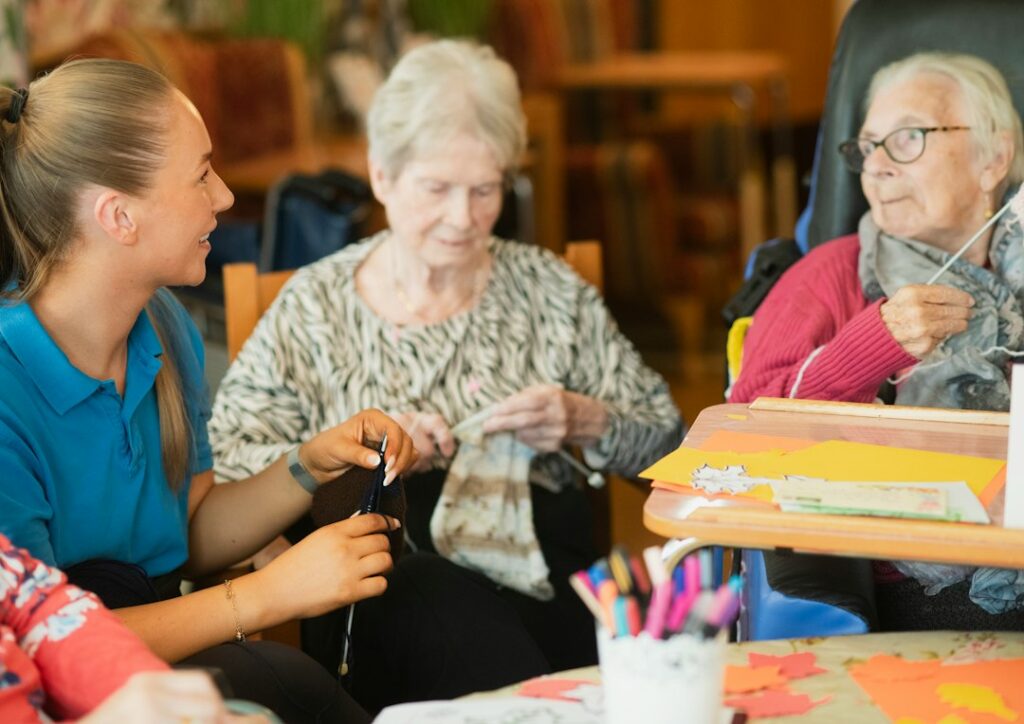
Creative activities can help older adults in assisted living maintain a sense of identity, purpose, connection, and independence. Creativity is not limited to painting or crafts. It can include music, storytelling, gardening, cooking, decorating, photography, writing, movement, puzzles, and many other forms of personal expression.
For residents and families in Trafford, PA, the most helpful programs are usually those that respect individual interests, physical abilities, cultural backgrounds, and life experiences.
Why does creativity matter in assisted living?
Creative expression supports emotional well-being and gives residents opportunities to make choices. A person who no longer manages a household, drives, or works may still want to decide what to create, how to spend time, and what memories to share.
Creative activities may help residents:
- Feel a sense of accomplishment
- Express emotions that are difficult to describe
- Maintain hand coordination and fine-motor skills
- Practice attention, planning, and problem-solving
- Connect with peers and staff
- Share personal history and family traditions
- Adjust to changes in routine or living environment
- Experience enjoyment without focusing on limitations
Creativity should not be treated as a test of talent. The purpose is participation, exploration, and personal meaning rather than producing a perfect finished project.
What types of creative activities work well for older adults?
A varied program gives residents choices instead of assuming everyone enjoys the same activity. Some people prefer quiet individual projects, while others enjoy group conversation and shared performances.
Useful options include:
- Watercolor, colored pencils, collage, or simple drawing
- Knitting, crocheting, weaving, or no-sew textile projects
- Singing, rhythm instruments, music appreciation, or dancing while seated
- Reminiscence writing, poetry, journaling, and storytelling
- Flower arranging, container gardening, or seasonal decorations
- Baking demonstrations, recipe-sharing, and familiar food preparation
- Photography, postcard-making, or viewing and discussing artwork
- Puzzles, model building, sorting activities, and creative games
- Holiday crafts connected to residents’ family traditions
- Gentle movement paired with music, such as hand motions or chair dancing
Activities can be adapted for residents with arthritis, reduced vision, hearing loss, tremors, limited mobility, or memory changes.
How can activities be adapted for different abilities?
The same project can often be offered at several levels of difficulty. For example, one resident may paint a detailed landscape, another may use broad brushes to apply color, and another may choose colors while someone else handles the materials.
Helpful adaptations include:
- Using large-handled brushes, pens, and utensils
- Providing lightweight materials that are easier to hold
- Choosing high-contrast colors for residents with limited vision
- Offering instructions one step at a time
- Using visual examples rather than lengthy explanations
- Allowing extra time without rushing
- Providing seated and standing options
- Reducing background noise during demonstrations
- Using non-toxic, low-odor supplies
- Preparing materials in advance so residents can begin easily
For residents living with dementia, familiar and repetitive activities may be more comfortable than projects requiring several new steps. Folding fabric, arranging flowers, sorting buttons by color, singing familiar songs, or looking through family photographs can all be meaningful forms of engagement.
How should assisted living staff encourage creativity without taking over?
Staff support is most effective when it protects the resident’s control. A project may look different from what an activity leader expected, and that is acceptable. Correcting a resident’s choices or completing the work too quickly can reduce confidence.
A supportive approach includes asking questions such as:
- “Which colors would you like to use?”
- “Would you rather work at the table or near the window?”
- “Would you like help opening this container?”
- “Tell me about what you are making.”
- “Would you like to continue, change the project, or try something else?”
Praise should focus on participation and decision-making rather than artistic quality. Comments such as “You chose a thoughtful combination of colors” or “You stayed with that project for a long time” are more useful than judging whether a piece is attractive.
What if a resident says, “I am not creative”?

Many people associate creativity with formal artistic ability and may avoid activities because they believe they will be judged. This concern can be reduced by offering familiar, low-pressure choices.
Instead of asking someone to “make art,” try inviting them to:
- Choose music for a group
- Share a favorite recipe
- Arrange objects by color
- Tell a story about a photograph
- Decorate a personal space
- Select flowers for a vase
- Help plan a themed meal or celebration
- Listen to music and describe memories it brings back
A resident who does not want to draw may still enjoy selecting materials, giving suggestions, observing others, or discussing the finished work. Watching and talking can be legitimate participation.
How can families support creative expression?
Families can contribute by sharing information about a resident’s past interests. A person who once sewed, repaired furniture, sang in a choir, kept a garden, collected photographs, or wrote letters may respond well when those interests are gently reintroduced.
Useful items may include:
- Copies of family photographs
- Familiar recipes
- Safe handwork materials
- Favorite music
- Postcards or pictures related to past travels
- Simple gardening supplies
- Stories about family traditions
It helps to avoid turning a visit into a performance requirement. A resident may enjoy looking through photographs one day and prefer conversation or quiet companionship the next.
What local conditions should residents consider?
Seasonal changes can affect how creative activities are planned. Cold weather, snow, and shorter daylight hours may limit outdoor projects and make indoor activities especially valuable during parts of the year. During warmer months, supervised container gardening, porch decorating, nature sketching, or outdoor music may provide a change of setting.
Housing patterns and family routines also matter. Some older adults in the community may have spent decades maintaining a home, caring for gardens, preparing meals, or working with their hands. Creative programs that include practical tasks can feel more natural than activities presented as formal “arts and crafts.”
Indoor spaces should be arranged with clear walkways, stable seating, adequate lighting, and surfaces that are easy to clean. Safe access matters more than elaborate supplies.
How can creativity benefit residents with memory loss?
Creative engagement may remain possible even when a person has difficulty recalling names, dates, or recent events. Music, familiar textures, colors, movement, and rhythm can provide accessible ways to participate.
The activity should emphasize the experience rather than the finished product. Repeating a favorite song, placing stickers on a page, folding fabric, or touching safe gardening materials may offer comfort and connection. If frustration appears, the activity can be simplified or paused.
A change in ability does not mean a loss of creativity. The form of expression may change, but the need for choice, beauty, recognition, and meaningful connection remains.
How can assisted living communities evaluate a creative program?
A successful program is not measured only by attendance or completed projects. Signs of value may include residents initiating conversations, showing increased interest, remembering a pleasant experience, spending time with others, or appearing calmer and more engaged.
Programs should be adjusted based on resident feedback and observation. Some activities may work better in small groups, while others are more suitable for individual sessions. Time of day, noise level, room temperature, lighting, and the number of instructions can all affect participation.
The strongest creative opportunities are flexible, respectful, and connected to real life. They allow older adults to bring their preferences and histories into daily living rather than asking them to fit a single idea of what creativity should look like.
